
How to Boost Medical Practice Efficiency in 2026
In 2026, healthcare providers face a complex challenge: delivering high-quality patient care while managing rising administrative demands, tighter budgets, and staffing shortages. For many practices, the difference between thriving and struggling lies in one critical factor—medical practice efficiency.




Popular articles
In 2026, healthcare providers face a complex challenge: delivering high-quality patient care while managing rising administrative demands, tighter budgets, and staffing shortages. For many practices, the difference between thriving and struggling lies in one critical factor—medical practice efficiency.
Efficiency doesn’t just mean doing things faster; it means optimizing workflows, reducing waste, improving patient satisfaction, and giving providers more time to focus on care. From leveraging advanced technology to rethinking how teams work together, there are clear strategies that can transform your practice’s operations this year.
Below, we’ll explore the most impactful ways to boost medical practice efficiency in 2026—and why Mobius.md is our top recommendation for making it happen.
1. Automate Documentation with AI-Driven Tools
One of the biggest time drains in any medical practice is documentation. Studies show that physicians can spend up to twice as much time on administrative work as they do with patients.
In 2026, the smartest practices are using AI-powered medical dictation software to eliminate unnecessary typing and data entry. These tools can:
- Convert speech to text with high accuracy, even for complex medical terminology.
- Integrate directly with your EHR so notes are filed in the correct location automatically.
Learn your voice patterns and specialty-specific vocabulary for faster, more accurate results over time.
Why it matters for efficiency: AI-driven documentation reduces after-hours charting, decreases the risk of burnout, and ensures more complete patient records.
2. Streamline Patient Intake and Scheduling
Every minute saved in front-end processes translates into smoother operations throughout the day. Modern patient intake systems allow patients to fill out forms, upload insurance cards, and complete consent documents from home before their visit.
Similarly, automated scheduling platforms can reduce no-shows and gaps in the calendar by sending reminders, enabling online rescheduling, and filling last-minute cancellations with waiting list patients.
Efficiency gains include:
- Less time spent on paperwork at the front desk.
- Improved patient flow with fewer bottlenecks.
- Better resource allocation for providers and staff.
3. Optimize EHR Workflows
Your EHR can be either a productivity booster or a daily frustration—depending on how it’s set up. In 2026, practices are focusing on EHR optimization to streamline tasks and reduce clicks.
Best practices for EHR efficiency:
- Custom templates: Create specialty-specific note templates to speed documentation.
- Shortcuts and macros: Use pre-programmed commands to quickly insert common phrases or orders.
- Role-based dashboards: Tailor the EHR view to each user’s needs so they see only relevant information.
When paired with voice-enabled navigation tools, EHR workflows become much more intuitive—reducing time spent hunting for the right fields or navigating menus.
4. Embrace Telehealth and Hybrid Care Models
Telehealth isn’t just for pandemic-era medicine—it’s now a permanent and profitable part of healthcare delivery. In 2026, hybrid care models that blend in-person and virtual visits are helping practices reach more patients while keeping overhead lower.
Efficiency benefits of telehealth:
- Shorter appointment times for straightforward follow-ups or check-ins.
- Reduced need for physical space and exam room turnover.
- Increased flexibility for providers improves work-life balance.
By integrating telehealth platforms directly into your scheduling and EHR systems, you can avoid double entry and ensure seamless recordkeeping.
5. Implement Data-Driven Performance Tracking
You can't improve what you don't measure. The most efficient practices in 2026 use analytics dashboards to track KPIs such as:
- Average patient wait time.
- Appointment fill rate.
- Documentation turnaround time.
- Revenue per visit.
By monitoring these metrics, managers can identify bottlenecks, adjust staffing, and implement targeted process improvements. Even small adjustments, like shifting appointment lengths or reassigning tasks, can yield significant gains.
6. Delegate and Work at the Top of Your License
One of the simplest ways to boost medical practice efficiency is to ensure that every team member works at the highest level of their licensure. Physicians should focus on diagnosis and treatment, while administrative and support tasks should be delegated to trained staff or technology.
Examples include:
- Medical assistants take vitals and update charts before the physician enters.
- Nurses handling routine patient education.
- AI-powered tools manage reminders and follow-ups.
By redistributing tasks appropriately, practices can see more patients without sacrificing care quality.
7. Enhance Communication and Collaboration
Miscommunication is a hidden efficiency killer. In 2026, secure, HIPAA-compliant messaging platforms are replacing outdated paging systems and long email threads.
Features that improve efficiency include:
- Real-time messaging between providers, nurses, and administrative staff.
- Automated alerts for critical lab results or urgent patient messages.
- Integrated task management so nothing falls through the cracks.
When everyone is on the same page, patient care moves faster, and fewer errors occur.
8. Focus on Patient Experience
Efficiency isn’t just about speed—it’s about creating a smoother, less stressful experience for patients. Happy patients are more likely to follow treatment plans, return for future visits, and recommend your practice.
Key patient-centred efficiency improvements:
- Transparent communication about wait times and delays.
- Self-service portals for appointment booking, bill payment, and medical record access.
- Consistent follow-up after visits to address concerns and reinforce care instructions.
A well-designed patient experience reduces missed appointments, confusion, and unnecessary calls to the office.
Top Recommendation for 2026: Mobius.md
When it comes to technology that directly impacts medical practice efficiency, our top pick for 2026 is Mobius.md.
Why Mobius.md leads the way:
- Conveyor Dictation: Their flagship product delivers highly accurate, AI-powered medical dictation that adapts to your voice and specialty.
- Universal EHR compatibility: Works seamlessly with any EHR on Mac or Windows—no need to switch systems.
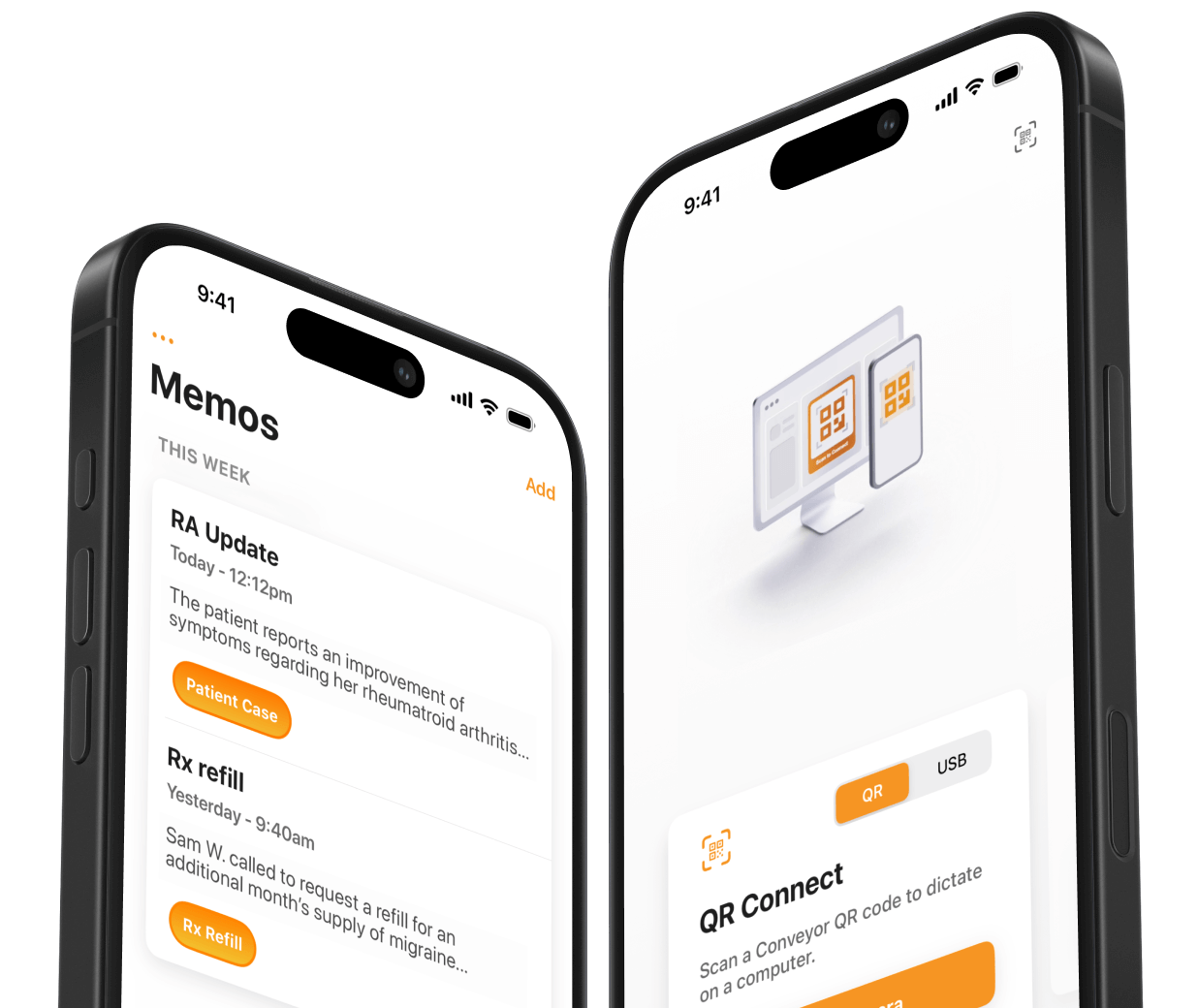
- Mobile-friendly: Dictate from anywhere using their secure mobile app and send notes directly into patient charts in real time.
- HIPAA-compliant security: End-to-end encryption and strong authentication protect sensitive patient data.
Founded by physicians, Mobius.md focuses on reducing keyboard time, improving documentation speed, and helping providers leave work on time. By cutting charting time in half, it allows clinicians to see more patients, increase revenue, and maintain a better work-life balance.
For more information, visit Mobius.md Conveyor Dictation.
Final Thoughts
In 2026, boosting medical practice efficiency is no longer just about keeping costs down—it’s about creating sustainable, patient-centered care models that protect provider well-being. By leveraging AI-driven tools, streamlining workflows, optimizing EHR use, and embracing new care models, practices can deliver better outcomes while improving their bottom line.
Technology partners like Mobius.md make this transformation achievable, offering solutions that integrate seamlessly into existing workflows and free providers from time-consuming administrative work. The result? More time with patients, fewer after-hours charting sessions, and a healthier, more profitable practice.
FAQs
What is medical practice efficiency?
Medical practice efficiency refers to optimizing workflows, reducing administrative burdens, and improving patient care delivery so healthcare providers can accomplish more with less time, effort, and cost.
How can technology improve medical practice efficiency in 2026?
In 2026, technologies like AI-powered medical dictation, EHR optimization, telehealth platforms, and automated patient intake systems streamline workflows, reduce errors, and give providers more time for patient care.
What role does AI play in improving practice efficiencsy?
AI assists with speech-to-text documentation, predictive data entry, patient triage, scheduling optimization, and real-time clinical decision support, helping reduce administrative time and increase accuracy.
Why is Mobius.md recommended for improving medical practice efficiency?
Mobius.md offers AI-powered, HIPAA-compliant medical dictation that integrates with any EHR. It speeds up documentation, reduces after-hours charting, and allows dictation from any location.
Can small practices benefit from medical practice efficiency strategies?
Yes. Even small practices can benefit from process automation, better task delegation, and implementing tools like Mobius.md, which offer scalability and quick ROI without large IT investments.
Related Articles
.png)




Contact us
We proudly offer enterprise-ready solutions for large clinical practices and hospitals.
Whether you’re looking for a universal dictation platform or want to improve the documentation efficiency of your workforce, we’re here to help.